On the issues of the State Educational Institution “Tajikistan University of Innovation and Digital Technologies
Build your future with us.
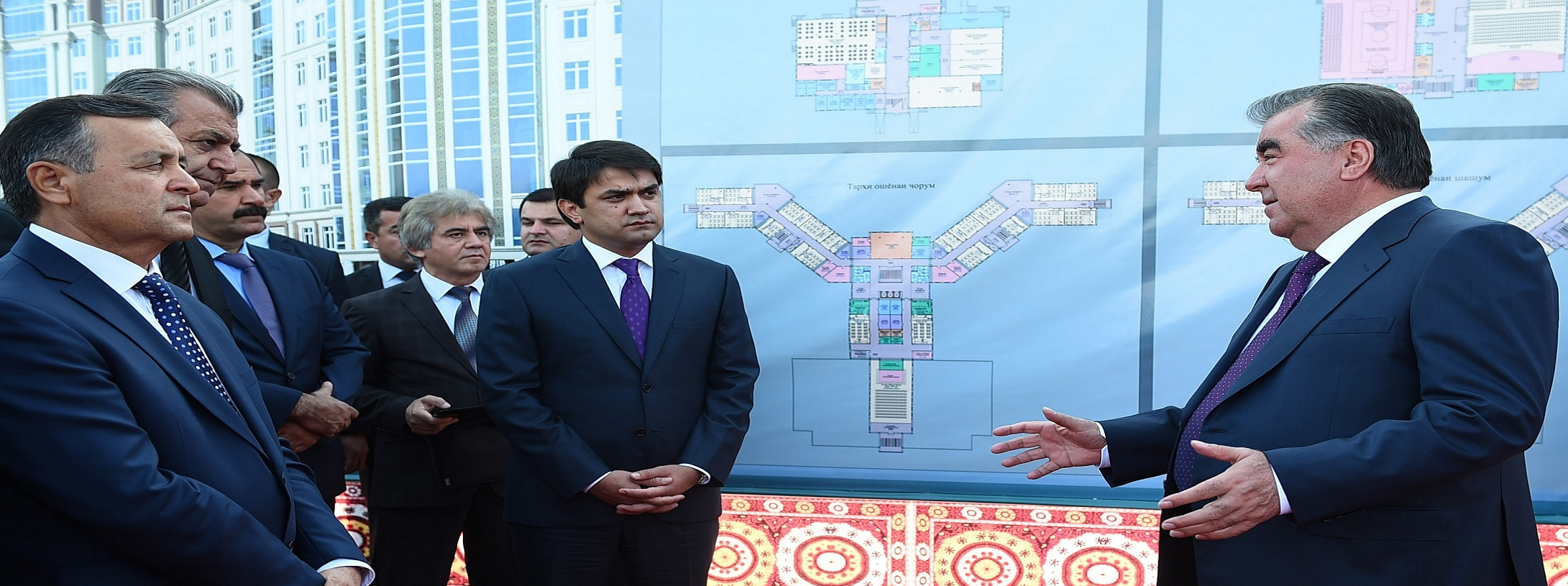
New methods of studying modern sciences
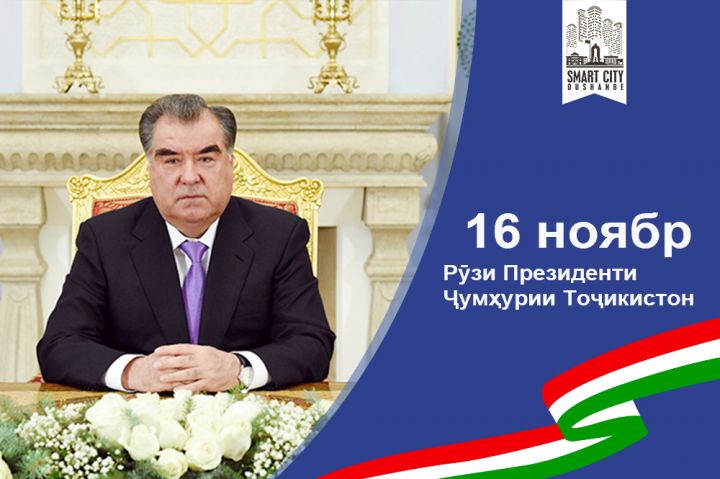
(On the occasion of November 16 — the President’s Day of the Republic of Tajikistan)
In sovereign Tajikistan, as well as in the country’s diplomatic missions abroad and among the Tajik diaspora, November 16 is annually celebrated with pride and grandeur as the “President’s Day of the Republic of Tajikistan” — a significant holiday of national statehood.
This date has become a traditional political and legal celebration. Across the country, important state and political events are held, such as scientific conferences, meetings with war and labor veterans, cultural programs, and sports competitions.
On this auspicious day, the people of Tajikistan express their respect, gratitude, and devotion to the
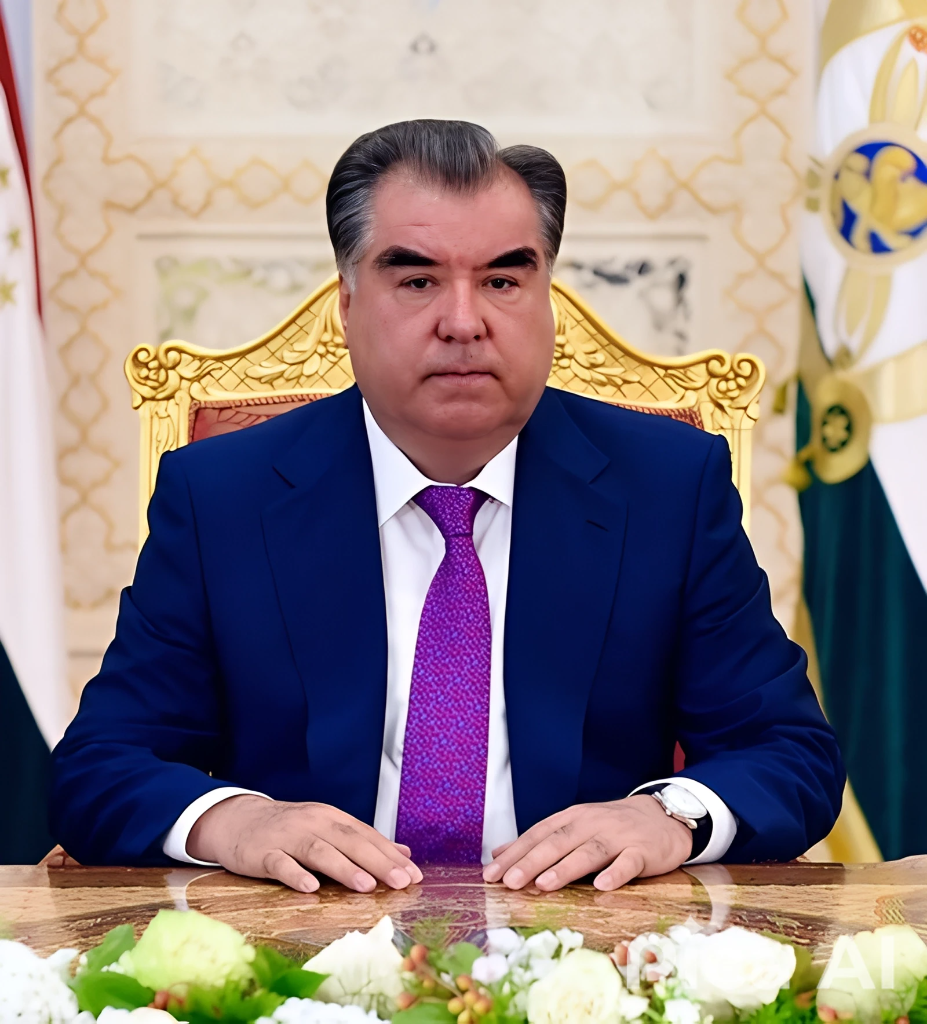
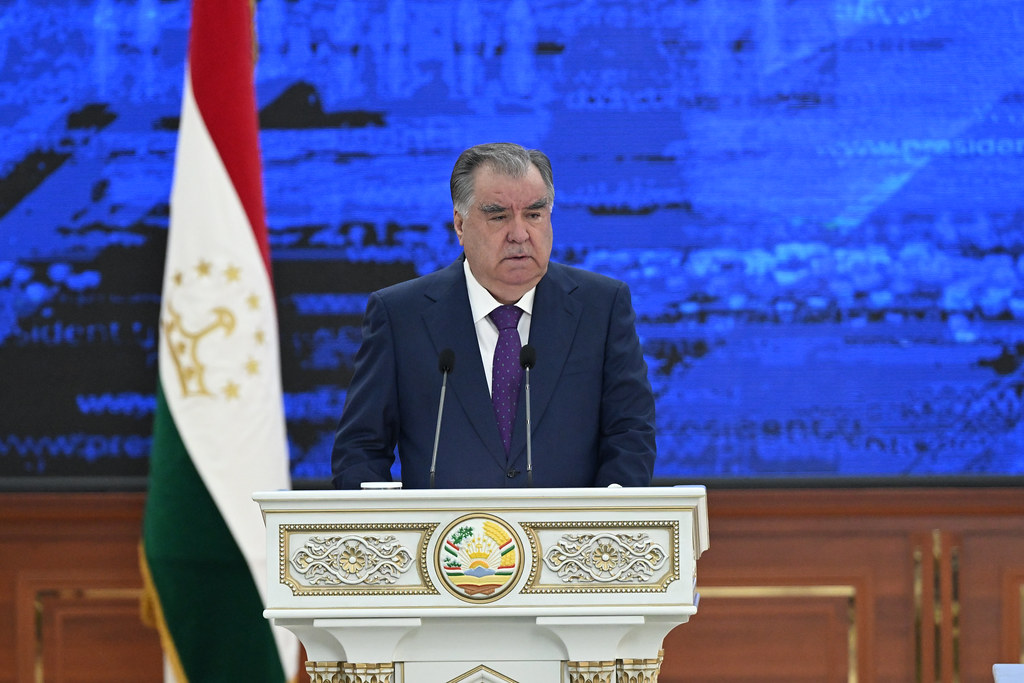
Founder of Peace and National Unity — Leader of the Nation, President of the Republic of Tajikistan, His Excellency Emomali Rahmon.
The Leader of the Nation has earned respect and authority not only in Tajikistan and Central Asia, but throughout the international community, among world leaders and people of various nations.
It should be noted that the choice of November 16 as the President’s Day has historical and political significance.
First, on November 16, 1992, during a severe political and social crisis, the XVI Session of the Supreme Council of the Republic of Tajikistan was held, where His Excellency Emomali Rahmon was elected Head of State.
On November 16, 1994, the popularly elected President took the oath of office for the first time and assumed his duties.
Second, during the years of independence, under the leadership of the Founder of Peace and National Unity — Leader of the Nation, President of the Republic of Tajikistan, His Excellency Emomali Rahmon, the country achieved significant progress in building an independent state, strengthening national unity and political stability, ensuring sustainable socio-economic development, and improving the quality of life.
In the context of new international relations, Tajikistan’s prestige constantly increased due to the “multi-vector” and “open-door” foreign policy and the President’s constructive international initiatives.
All achievements of sovereign Tajikistan are closely linked to the fruitful and creative work of the President.
For these reasons, the people and the Parliament of Tajikistan established November 16 as the “President’s Day of the Republic of Tajikistan.”
Today, domestic and foreign experts highly evaluate the development and achievements of sovereign Tajikistan under the leadership of the Leader of the Nation.
In this context, it is appropriate to analyze one of the decisive initiatives of the Leader of the Nation — the involvement of civil society in ending the imposed civil war, returning refugees, establishing peace, political stability, and national unity.
It is well known that in November 1992, in the ancient city of Khujand, the historic XVI Session of the Supreme Council was held, which restored constitutional government and elected His Excellency Emomali Rahmon Chairman of the Supreme Council, marking a new stage in the country’s development.
However, part of the opposition fled abroad, declared themselves opponents of the new state policy, and began an imposed civil war with the aim of seizing power.
The civil war in Tajikistan was an imposed conflict: certain hostile forces, using old methods and political manipulation, sought to destabilize the young state. Their goal was to establish an Islamic state and impose a foreign ideology on the Tajik people.
Inside the country, the political situation was extremely difficult, negatively affecting all sectors of society. Political forces, public organizations, and parties were fragmented, and some foreign states were not interested in peace in Tajikistan.
In those difficult days, the sovereignty and territorial integrity of Tajikistan were at risk, and the Tajik nation faced the threat of disintegration.
Thus, uniting civil society — political parties, creative unions, national minorities, religious organizations — became crucial.
In this situation, the activities of His Excellency Emomali Rahmon as Head of State were aimed at finding peaceful solutions. He tirelessly worked both inside the country and abroad to draw the attention of the world community to Tajikistan’s tragic situation and to stop the war.
He stated:
“We fully understood the senselessness and disastrous consequences of the fratricidal war for the Tajik nation and its future. After restoring constitutional authority, we adopted a firm policy of establishing peace and national reconciliation exclusively through dialogue and negotiations.”
Seeking to accelerate the peace process, the President concluded that an additional unifying force was needed. He declared readiness to launch dialogue with civil society and called on it to play an active role in restoring peace.
During a meeting with civil society representatives, the President noted that the country needed a unifying organization that would include political forces, scholars, writers, respected public figures — capable of contributing to peace, returning refugees, and strengthening national reconciliation.
This initiative received broad support, and on March 11, 1996, the “Agreement on Public Accord of Tajikistan” was signed.
The Agreement was signed by the President, the Chairmen of the National Assembly and the Assembly of Representatives, and by leaders of more than 30 political parties, public associations, creative unions, religious organizations, and national-cultural societies.
This visionary initiative of the President to involve civil society gave strong impetus to the peace process.
Dean of the Faculty of Engineering and Technology
Tajik University of Innovation and Digital Technologies
PhD in Technical Sciences, Associate Professor M. S. Kucharov