On the issues of the State Educational Institution “Tajikistan University of Innovation and Digital Technologies

Build your future with us.

New methods of studying modern sciences

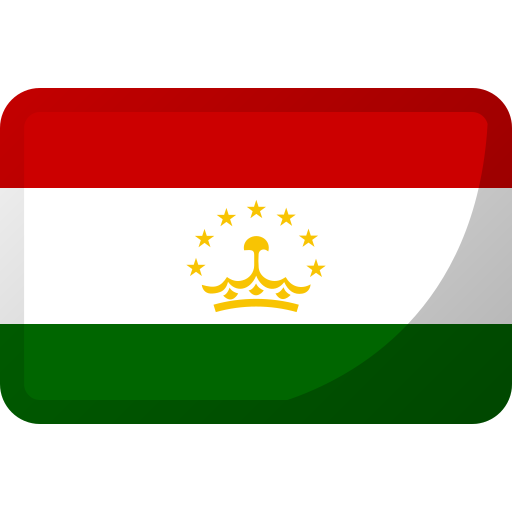
The State Flag of the Republic of Tajikistan is one of the most sacred symbols of modern nationhood. It reflects the ancient history of the Tajik people, the ideals of independence, cultural values, and the spirit of progress and creativity. Every year on November 24, the country celebrates State Flag Day — a celebration not only of a national symbol, but also of national identity and pride in the homeland.
Throughout history, especially during the period of independence, the role of Tajik women in honoring state symbols and ensuring social stability has been tremendous. In Tajik culture, women have always been creators, educators, protectors, and guardians of traditions and values. In modern times, this role has become even more significant — women contribute to state development, strengthening national unity, and enhancing patriotism among the youth.
In today's Tajik society, which strives for sustainable and constructive development, the role of women in strengthening national identity is fundamental. It is the woman — at home, in school, in society, and at the workplace — who first teaches children love for the homeland, the language, the flag, and other symbols of statehood. In difficult years, through wisdom, patience, love, and social responsibility, women preserved peace in families, guided their children toward education and unity, and made a meaningful contribution to building today’s Tajikistan.
As a result, Tajik women today play an active role in state governance — they serve as members of parliament, scholars, heads of institutions, representatives of the economic sector, entrepreneurs, and social activists. Despite high responsibilities, they have contributed significantly to national development and to strengthening respect for state symbols.
Every Tajik mother, when familiarizing her children with the colors of the flag, the national anthem, and the heroic stories of ancestors, is not merely educating — she is continuing national culture, preserving it, and passing it on to future generations.
Tajik women in the fields of science, education, healthcare, culture, arts, social policy, and public service have actively promoted respect for the state symbols. Through their work, they have shown that the flag is more than fabric — it is a symbol of the honest labor of every citizen.
The three colors of the flag — red, white, and green — are inseparably connected with the culture, history, worldview, and aspirations of the Tajik people. Red symbolizes bravery and heroism; white stands for purity and justice; green represents life, prosperity, and hope. The golden crown and seven stars symbolize the statehood of the Tajiks, independence, unity, peace, progress, and national pride.
Today, the Tajik woman — civil servant, worker, doctor, teacher, entrepreneur, farmer, or industrial worker — proudly honors her national flag.
Therefore, the State Flag Day is for Tajik women not only a national holiday but a celebration of identity, dignity, responsibility, and creativity. Alongside men, they strive to uphold the sanctity of this symbol and impart its meaning to the younger generation. The Tajik woman today is the bearer of ancient culture, the protector of the language, and the nurturer of future generations.
Mukhtorzoda Sadafmo
Head of the Department for Work with Women and Female Students
University of Innovation and Digital Technologies of Tajikistan